Dial vs Digital Calipers: Which Lasts Longer?
By Martin Douglas · Published · 4 min read
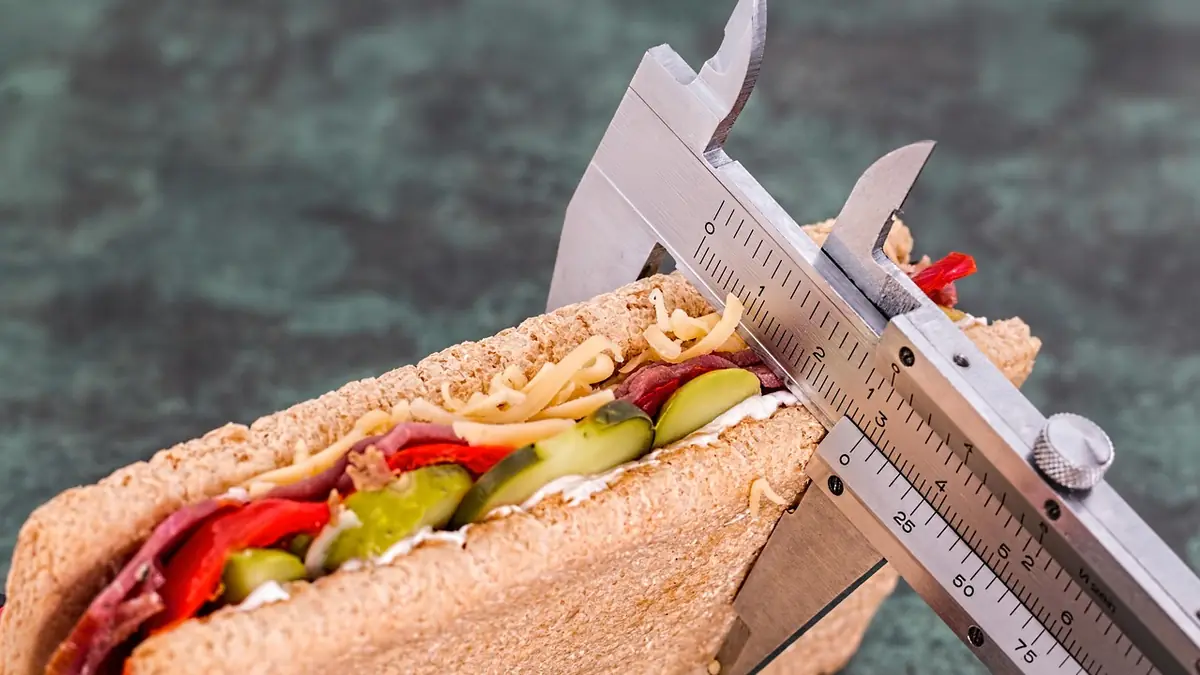
Calipers are among the most-used measuring tools in any workshop, and the choice between dial and digital models often comes down to longevity. While both types measure to similar accuracies, their long-term reliability depends on factors like battery dependence, mechanical wear, and environmental resilience.
This article breaks down the key differences in battery life, calibration stability, cost of ownership, and shop-floor durability. We'll also share practical tips to help you decide which caliper type will last longer in your specific working conditions.
Battery Life and Power Dependence
Digital calipers rely on button-cell batteries, typically SR44 or LR44, which last anywhere from six months to two years with regular use. However, left switched on, a digital caliper can drain a battery in weeks. Many models feature auto-off after a few minutes of inactivity, but this function itself consumes a small standby current. In a busy shop, you may find yourself replacing batteries every few months, which adds ongoing cost and downtime.
Dial calipers are entirely mechanical—no batteries, no electronics. They work whenever you pick them up, regardless of how long they've been sitting. This makes them ideal for intermittent use or for field work where spare batteries aren't handy. The absence of a battery also eliminates the risk of a digital caliper failing mid-measurement due to a weak cell, a common frustration that can lead to scrapped parts or rework.
- Digital calipers: battery life ~6–24 months with typical use
- Auto-off extends battery life but adds standby drain
- Dial calipers: no batteries, always ready
- Consider spare batteries for critical digital measurements
Calibration Stability and Accuracy Over Time
Both dial and digital calipers are calibrated to similar accuracy specs—often ±0.02 mm for a 150 mm model. However, their long-term stability differs. Digital calipers use a capacitive or inductive scale that is sealed against dust and coolant, and their zero can be set electronically. But electronic components can drift with temperature changes, and the zero may need re-setting after a battery change or if the caliper is dropped.
Dial calipers rely on a rack-and-pinion mechanism. The rack is precision-cut and, in quality models, hardened stainless steel. Over time, wear on the rack and pinion can introduce backlash or hysteresis, causing the needle to stick or return inaccurately. Dust and chips are the main enemies—once inside the mechanism, they accelerate wear. Keeping the rack clean and lightly oiled is essential. With proper care, a good dial caliper can hold calibration for years, but it is more sensitive to contamination than a sealed digital unit.
- Digital: electronic zero, but susceptible to temperature drift
- Dial: mechanical wear on rack and pinion over time
- Both types require regular calibration checks
- Dial calipers need protection from dust and chips
Shop-Floor Durability and Environmental Resistance
Shop floors expose calipers to coolant, metal chips, impacts, and temperature swings. Digital calipers with an IP rating (e.g., IP54 or IP67) resist dust and splashes, but the electronic display and buttons are still vulnerable to heavy abuse. The battery compartment seal can degrade, allowing moisture in. Dropping a digital caliper often results in a cracked LCD or a damaged circuit board, which is expensive to repair.
Dial calipers are simpler and have fewer failure points. The main risks are bent jaws or a damaged rack from a drop, and contamination of the mechanism. However, they can often be repaired by cleaning and re-lubricating. In environments with fine abrasive dust, a dial caliper's exposed rack can wear faster than a sealed digital scale. For heavy-duty use, consider a dial caliper with a covered rack or a digital model with a robust IP rating.
- Digital: sealed scales help, but displays and buttons are fragile
- Dial: repairable, but rack is exposed to contaminants
- IP-rated digital calipers resist coolant and dust
- Dial calipers can be cleaned and re-lubricated
| Feature | Dial Caliper | Digital Caliper |
|---|---|---|
| Typical price (150 mm) | $30–$60 | $40–$100 |
| Battery required | No | Yes (SR44/LR44) |
| Battery life | N/A | 6–24 months |
| Accuracy | ±0.02 mm | ±0.02 mm |
| Ingress protection | None (mechanism exposed) | IP54–IP67 available |
| Data output | No | Yes (some models) |
| Calibration stability | Good, but wear-prone | Good, but electronic drift possible |
Cost of Ownership: Purchase Price vs Long-Term Costs
A basic 150 mm dial caliper costs roughly $30–$60, while a comparable digital model ranges from $40–$100. Premium digital calipers with IP67 rating can exceed $150. The initial price gap is modest, but ongoing costs differ. Digital calipers require batteries (about $1–$3 each) and occasional replacement of the entire unit if electronics fail. Dial calipers may need periodic cleaning and lubrication, and eventually replacement of worn parts, but these costs are minimal.
Over a five-year span, the battery and repair costs of a digital caliper can add 20–30% to its purchase price, whereas a dial caliper's maintenance is mostly time. However, digital calipers offer faster reading and data output, which can improve productivity. If you need to record measurements or use SPC software, the extra cost may be justified. For simple go/no-go checks, a dial caliper is often more economical long-term.
- Initial cost: dial ~$30–$60, digital ~$40–$100
- Digital: ongoing battery and potential electronic repair costs
- Dial: low maintenance, but occasional part replacement
- Consider data output needs—digital wins for logging
Making the Choice: Which Lasts Longer for You?
If longevity means years of reliable service with minimal attention, a quality dial caliper is hard to beat—provided you keep it clean and avoid dropping it. Its all-mechanical nature means no batteries to die and no electronics to fail. In a clean, climate-controlled inspection room, a dial caliper can last decades with proper care.
In a harsh shop-floor environment with coolant and dust, a sealed digital caliper with a high IP rating may outlast an unprotected dial caliper, because the electronics are shielded from contaminants. However, the digital unit's lifespan is ultimately limited by its electronics and battery. For most general-purpose workshops, a mid-range digital caliper with IP54 or better offers a good balance of durability and convenience. Whichever you choose, regular calibration and proper storage are key to maximizing lifespan.
- Clean environment: dial caliper can last decades
- Harsh environment: choose IP-rated digital
- Regular calibration ensures accuracy regardless of type
- Store calipers in a protective case
- Dial calipers have no batteries and fewer failure points, making them reliable for intermittent use.
- Digital calipers offer faster reading and data output but depend on batteries and electronics.
- For harsh environments, choose a sealed digital caliper with a high IP rating.
- Regular cleaning and calibration extend the life of both types.
Martin has spent years writing about measurement equipment and helping small workshops choose and maintain the right instruments. He focuses on practical buying advice, calibration routines, and clear explanations of specification sheets. His goal is to make instrument decisions easier for people without a metrology background.