Buying Used Lab Instruments: Inspection Checklist
By Martin Douglas · Published · 4 min read
Used laboratory instruments can cut capital spend by roughly half or more compared with new, but the savings are only real if the instrument still performs to the tolerance your method requires. A benchtop meter that has drifted out of spec, or a balance with no service history, can cost more in downtime and recalibration than a new unit would have.
This checklist covers what to verify before money changes hands: documentation, physical condition, performance evidence, parts support, and the price logic that makes a used purchase worthwhile. Work through it in order and walk away from anything that fails the performance and documentation stages, however good the price.
Start With the Paperwork, Not the Hardware
Ask for the full documentation set before you visit the instrument: a current or recent calibration certificate traceable to a national standard, the manufacturer's manual, service records, and any software licences and dongles. A certificate older than the calibration interval recommended for that instrument class, typically 12 months for meters and balances, tells you the unit has been sitting idle or out of a quality system.
Check that the certificate matches the serial number on the instrument itself. Mismatches are common when sellers bundle accessories, and a certificate for a different unit is worth nothing. If the seller cannot produce traceable calibration evidence, price the instrument as needing immediate calibration and possible repair, and factor that into your offer.
- Serial number on certificate matches the instrument
- Calibration certificate within the last 12 months and traceable
- Manual, service log, and software licences included
- Ask why the instrument is being sold and where it was used
Inspect Condition and Drift History
Physical inspection reveals a lot. Look for corrosion on connectors and battery compartments, cracked display windows, damaged sensor ports, and signs of liquid ingress around seals. On balances, check the draft shield for smooth operation and the pan for scratches or bending; on meters, flex the electrode connectors gently and confirm the sockets grip firmly rather than wobbling.
Ask directly about drift and repair history. A unit that was recalibrated repeatedly at short intervals, or that needed adjustment at the last two services, is telling you something. What Causes Instrument Drift and How to Reduce It explains the environmental and wear factors behind most drift, which helps you judge whether a seller's story about a stable unit is plausible. Record the serial number, firmware version, and any error codes displayed at power-up.
- Corrosion, cracked housings, and damaged connectors
- Display legibility and all buttons responding
- Recent adjustment history and repeat calibration failures
- Firmware version and availability of updates
Demand a Live Performance Check
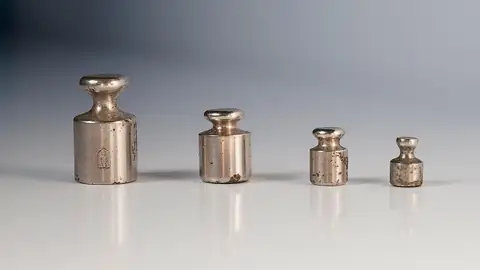
Never buy on paperwork alone. Ask the seller to power the instrument up in front of you, run a known reference or check standard through it, and show the reading. For a pH meter, that means a two- or three-point buffer check with fresh buffers; for a balance, certified test weights at roughly 10 percent and full capacity; for a spectrophotometer, a reference filter or standard solution.
Compare the reading against the instrument's published specification, not against zero. A balance rated to 0.1 mg that reads within 0.2 mg of the test weight may be acceptable after adjustment; one that is off by a full milligram at low load is a repair job. If the seller will not permit a live check, treat the instrument as non-functional for pricing purposes. This is also the moment to confirm the unit holds its reading steadily rather than wandering over a minute or two.
- Power-up self-test completes without error codes
- Reading stable over several minutes of observation
- Check standard result within the published specification
- Warm-up time and environmental conditions noted
Check Spare Parts and Service Support
The single biggest risk with used instruments is obsolescence. Before committing, confirm that consumables and wear parts are still available: electrodes, lamps, fuses, seals, tubing, and sample pans. For older models, a discontinued lamp or sensor can turn a bargain into a paperweight. Ask the manufacturer or an independent service provider for the part numbers and current availability, and get lead times in writing.
Service access matters just as much. Some manufacturers restrict calibration software or firmware updates to authorised agents, which limits who can maintain the unit. If you plan to maintain instruments in-house, set up a maintenance log from day one; Setting Up a Basic Instrument Maintenance Log shows a workable structure. For calibration frequency planning, How Often Should You Calibrate Measuring Instruments? gives sensible intervals by instrument class.
- Wear parts and consumables still stocked
- Independent service providers able to calibrate the model
- Firmware and software support period confirmed
- Estimated remaining service life stated by the seller
| Instrument age | Typical price vs new | Calibration evidence | Main risk | Recommended action |
|---|---|---|---|---|
| 0-3 years | 55-70% | Current certificate | Minimal | Buy with acceptance test |
| 3-5 years | 40-60% | Certificate within 12 months | Wear parts | Verify parts availability |
| 5-8 years | 25-40% | Patchy or expired | Drift and obsolescence | Full performance check, price in recalibration |
| 8+ years | 10-25% | Often none | Discontinued parts | Buy only with service support confirmed |
| Any age, no documentation | Treat as spares value | None | Unknown condition | Avoid unless repair is cheap |
Price It Against New, Including Lifetime Cost
A used instrument should cost meaningfully less than new once you add the first calibration, any repairs, and the risk of shorter remaining life. As a rough guide, well-documented units three to five years old often sell for 40 to 60 percent of list price; older or undocumented units should be discounted far more heavily. Compare against current new prices, not the original invoice the seller shows you.
Include the running costs in your comparison: consumables, calibration services, and expected downtime. A cheap unit with expensive proprietary consumables can cost more over five years than a pricier model with generic parts. If you are choosing between technology types rather than individual units, Analog vs Digital Panel Meters: Cost and Accuracy and Dial vs Digital Calipers: Which Lasts Longer? show how the same lifetime-cost logic plays out for common bench instruments.
- Compare against current new price, not original invoice
- Add first calibration and any repair to the purchase price
- Estimate five-year consumable and service costs
- Budget for downtime during initial qualification
Agree Terms Before Payment
Set out the terms in writing: price, what is included, delivery or collection, and a return window if the instrument fails your incoming check. A short acceptance period, typically 14 to 30 days, is reasonable for used equipment and gives you time to run a proper verification against your own standards rather than the seller's.
On arrival, log the serial number, photograph the condition, and run the same performance check you did on site. If it fails, invoke the return clause immediately rather than attempting repairs. Keep the calibration certificate and service records with the instrument so the next buyer, or your own quality auditor, can see its history. For flow and process instruments specifically, Flow Meter Types Compared for Small Plants covers what to verify before purchase.
- Written acceptance period of 14 to 30 days
- Return conditions and who pays return freight
- Incoming verification against your own standards
- Records filed with the instrument from day one
- Never buy without traceable calibration evidence and a live performance check.
- Confirm spare parts and service support before paying; obsolescence is the main hidden cost.
- Price used equipment against current new prices plus first calibration and repairs.
- Insist on a written 14-30 day acceptance period and verify on arrival.
Martin has spent years writing about measurement equipment and helping small workshops choose and maintain the right instruments. He focuses on practical buying advice, calibration routines, and clear explanations of specification sheets. His goal is to make instrument decisions easier for people without a metrology background.